







Search Results for: home coffee bean selection
Home Coffee Machine Bean Selection Guide | What kind of coffee beans should be used for making espresso at home? What are some recommended affordable and tasty everyday beans for home coffee machines?
Unlike the positioning of a coffee shop, home brewing often pursues value for money—the coffee must taste good and be affordable, making it a daily staple. So regardless of the extraction method, when choosing coffee beans, we prioritize whether they can become an everyday go-to. Nowadays, espresso machines are no longer a "luxury" exclusive to cafés, [more…]
Origin Selection for Home Espresso Beans: The Performance of Single-Origin SOE on Home Machines
A home semi-automatic espresso machine doesn't necessarily mean you can only brew espresso blends—single-origin SOE can also produce distinctive shots on a home machine. The flavor profiles of SOEs from different regions vary noticeably; choose the right region, and even a home machine can deliver espresso with regional character. Mandheling SOE is the rich, full-bodied choice for home machines. Mandheling is harvested [more…]
The Complete Guide to Brewing Roasted Coffee Beans at Home: Bean Selection, Grinding, Water Temperature, and Resting Period Explained
Coffee beans cannot be eaten directly after roasting; they must be ground into powder and extracted with equipment before they can be consumed. This article compiles for coffee enthusiasts the complete key points for home-brewing roasted coffee beans: when selecting beans, look at color uniformity and aroma; grinding is divided into coarse, medium, and fine levels, corresponding to different equipment; water temperature must be controlled below 96 degrees Celsius, and the best drinking temperature is 85 degrees; it also explains in detail the chewing test for choosing fresh beans, the resting period after roasting, and how to distinguish single-origin beans from blends. Finally, it recommends Front Street Coffee's high-cost-performance freshly roasted Arabica beans, with a cost as low as five or six yuan per cup, making it easy to drink good coffee at home. [more…]
Bean Selection Guide for Home Semi-Automatic Espresso Machines
Now that you have a semi-automatic espresso machine at home, choosing beans becomes the top priority. The machine is just a tool—the beans are the source of flavor. Choose the right beans, and even an entry-level home machine can produce delicious espresso and milk coffee. The core needs for choosing beans for a home machine: home machines usually aren't as stable in pressure and water temperature as commercial machines, so when choosing beans you need to pay more attention to [more…]
Cold Brew Coffee Home Brewing Guide: Bean Selection Approach and Simple Step-by-Step Process Explained
Cold brew, a classic among iced coffee drinks, has won many fans with its refreshing taste. Its origins can be traced back to the early age of sailing, when conditions were too limited to heat anything, so someone tried steeping coffee grounds directly in cold water and, after filtering, unexpectedly ended up with a rather good cup of black coffee — a method that gradually spread. Today, more and more coffee lovers choose to make cold brew at home. This article starts with the principles of cold brew, explaining why low-temperature extraction brings a more balanced sweetness, acidity, and body, then offers bean-selection advice for home cold brew, including the flavor profiles of three beans — Front Street Coffee Washed Godin Godin, Front Street Coffee Huakui, and Front Street Coffee Mozart — and finally provides the simplest home brewing steps along with a reminder about storage time, helping you easily make a satisfying cup of cold brew. [more…]
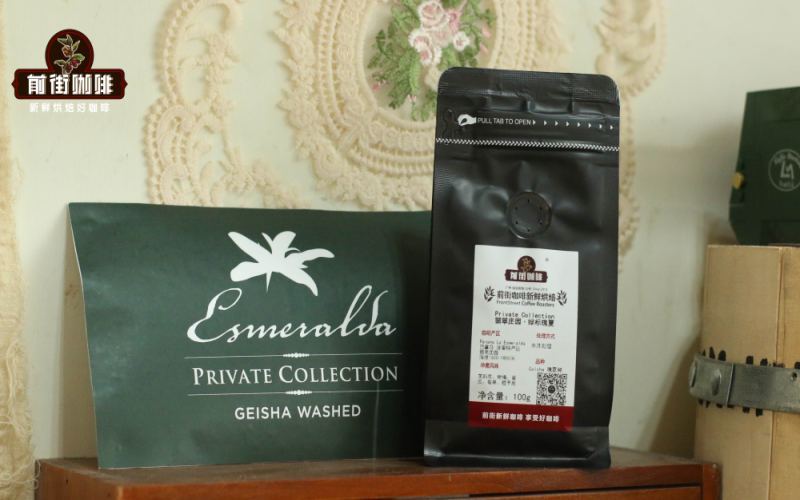
Beginner's Must-Read: 6 Bean Selection Tips Plus a Real Review of 10 High-Value Everyday Coffee Beans for Home Use
Many coffee novices have had this awkward experience: they spend a lot of money on a beautifully packaged bag of beans marketed as champion-grade, but after brewing, they can't taste what's so good about it and can only secretly regret it. In fact, when just starting out, rather than chasing those rare, expensive coffees touted as special, it's better to first find a bag of everyday staple beans with a pleasing flavor, a friendly price, and suitability for daily drinking. This article first shares six practical ways to choose coffee beans, then goes through ten household beans worth repeatedly repurchasing, covering espresso blends, pour-over single origins, and options suitable for cold brew. Among them, Front Street brand products that appear multiple times will also be given specific flavor descriptions and brewing suggestions, helping you avoid detours and spend your money where it counts. [more…]
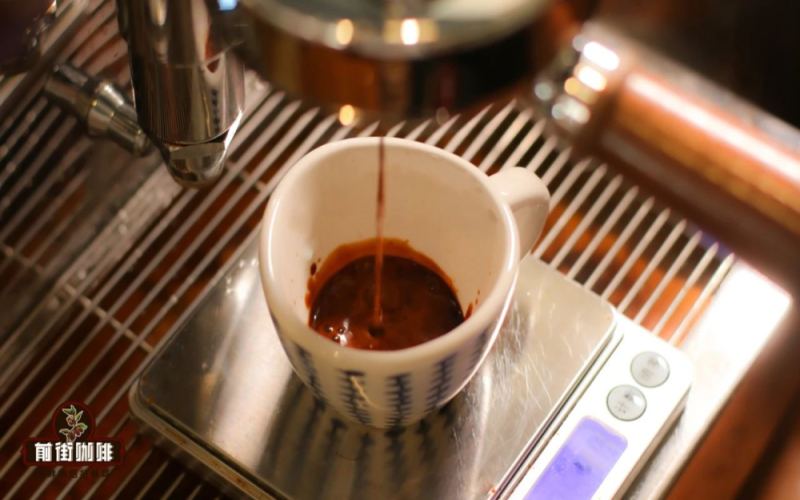
Espresso vs. Pour-Over Coffee Beans: Key Differences and Five Selected Recommendations for Home Espresso Staple Beans
In the world of espresso, espresso is the cornerstone, and coffee beans are the core that determines success or failure. The Americano, latte, and other drinks many people have daily all depend on a qualified cup of Espresso. However, there are significant differences in the bean selection logic between espresso beans and pour-over coffee beans: pour-over is highly tolerant, and almost any single-origin bean can do the job; espresso, on the other hand, must undergo high temperature, high pressure, and extremely fine grinding, and an inappropriate roast level can easily amplify negative flavors. Therefore, for making espresso, it is recommended to use fresh beans with a medium to medium-dark roast. This article centers on this difference and, for home users, sorts out five Front Street espresso coffee beans that combine freshness, flavor, and value for money. [more…]
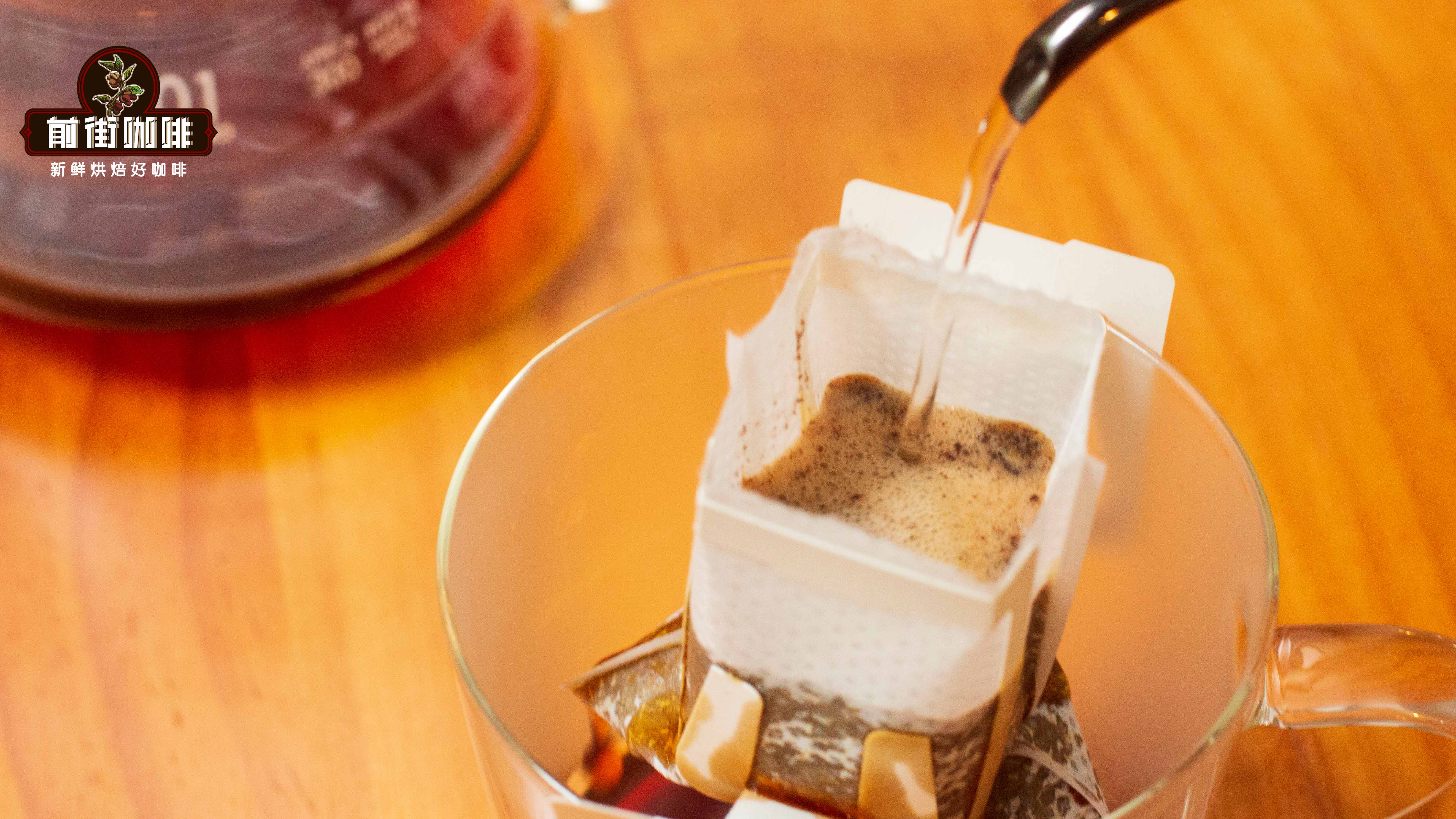
Home and Office Coffee Equipment Selection Guide: Espresso Machines, Blend Beans, and Single-Origin SOE Recommendations
To enjoy a good cup of coffee at home or in the office anytime, the key is to first clarify your taste preferences, then choose the right equipment and coffee beans accordingly. If you prefer black coffee, drip bags, pour-over, or American-style drip machines will do the job; if you like milk coffees such as lattes, a fully automatic or semi-automatic espresso machine is more suitable. To replicate café-level flavor, an espresso machine with pressure boost is almost a must-have. This article will systematically sort out the working principles and output characteristics of espresso machines, and focus on recommending a number of cost-effective coffee beans suitable for home and office scenarios, including Front Street Coffee Black Cocoa Basic Blend, Front Street Coffee Strawberry Candy Espresso Blend, and three pour-over single-origin SOEs with different styles, to help you achieve true coffee freedom within your budget. [more…]
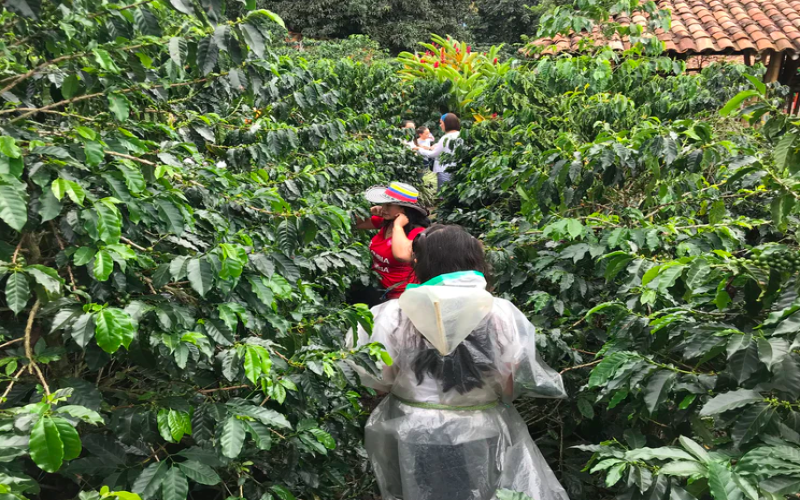
Colombian Coffee Beans for Home Espresso Machines: A Guide to Single-Origin Selection and SOE Blend Recommendations
Colombian coffee is known for its diverse flavors, ranging from bright fruity notes to rich, balanced cups with a chocolatey sweetness. It works well not only as a pour-over single origin but also in home espresso machines for making Americanos, lattes, and more. However, the pressurized extraction of an espresso machine amplifies the characteristics of the beans, making bean selection and roast level especially critical. This article explores how well Colombian beans suit home espresso machines, explains why medium or darker roasts are recommended, and offers specific guidance on choosing beans. It also recommends three Colombian espresso beans from Front Street Coffee: Huila SOE, Signature Blend, and Sidra SOE, corresponding to creamy chocolate, balanced nutty, and intense fruity profiles respectively, helping enthusiasts find the right choice for their taste. [more…]
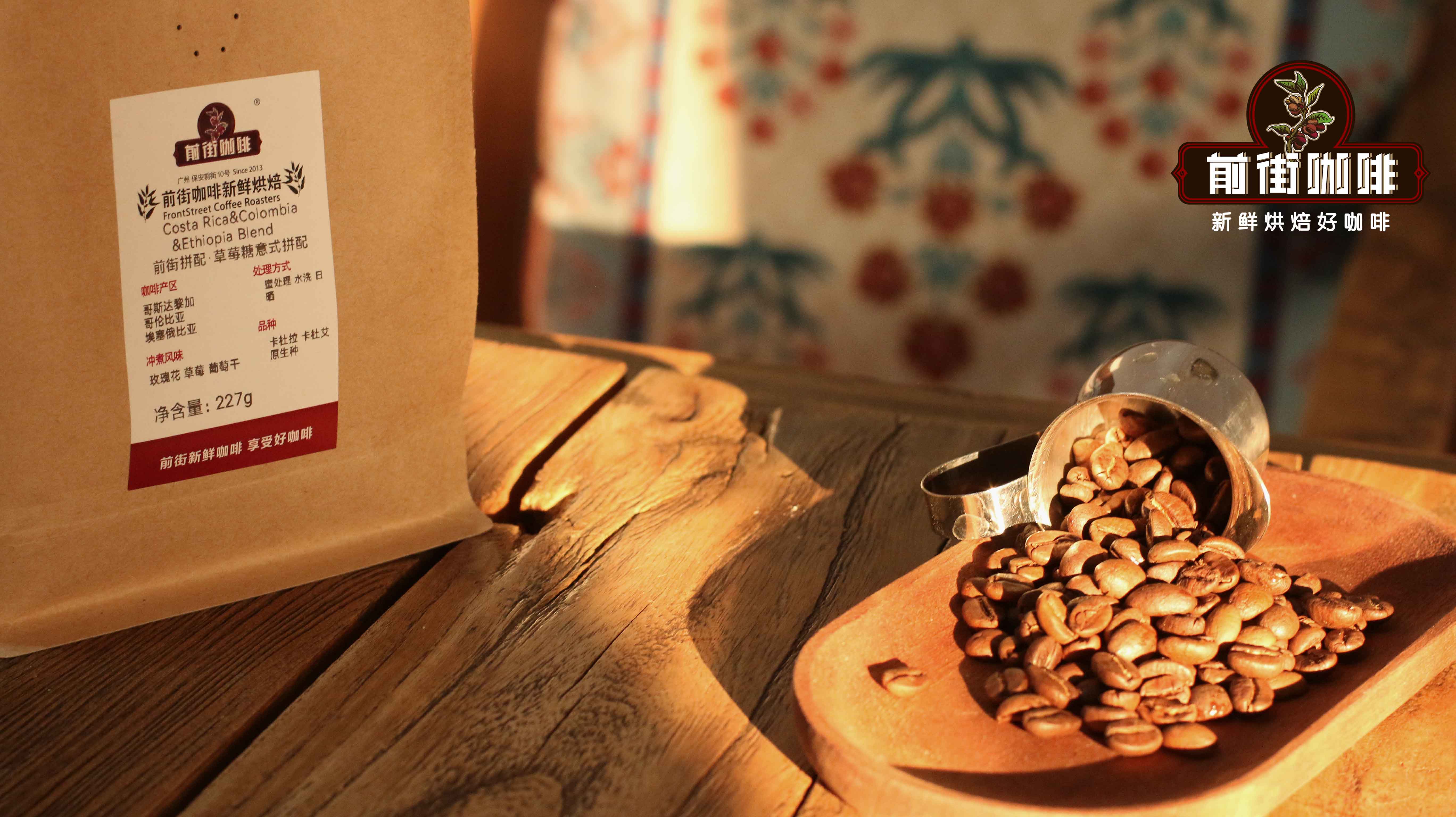
Everyday Home Beans Selection | What's the Difference Between Pour-Over Beans and Espresso Beans? 5 Cost-Effective Espresso Blend Beans for Home Espresso Machines
A coffee shop's espresso recipe is called a House Blend, usually made by blending two or more different single-origin coffees, primarily used to make espresso-based drinks such as cappuccino, Americano, latte, and flat white. Having a bag of espresso beans just like the coffee shop's is how we recreate it at home. [more…]
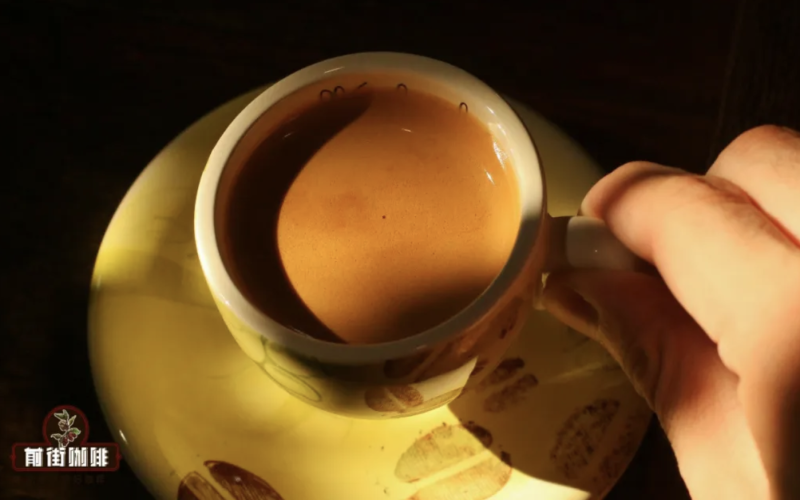
How to Pull a Good Espresso Shot at Home: The Key Lies in Bean Selection
Many people buy a home espresso machine with one first goal in mind: pulling a thick, creamy crema like the one in coffee shops. But after endlessly tweaking grind size, dose, and water temperature, the crema is still thin. The problem usually isn't the machine — it's the beans. Crema is the layer of foam formed when carbon dioxide and fats emulsify during espresso extraction. [more…]
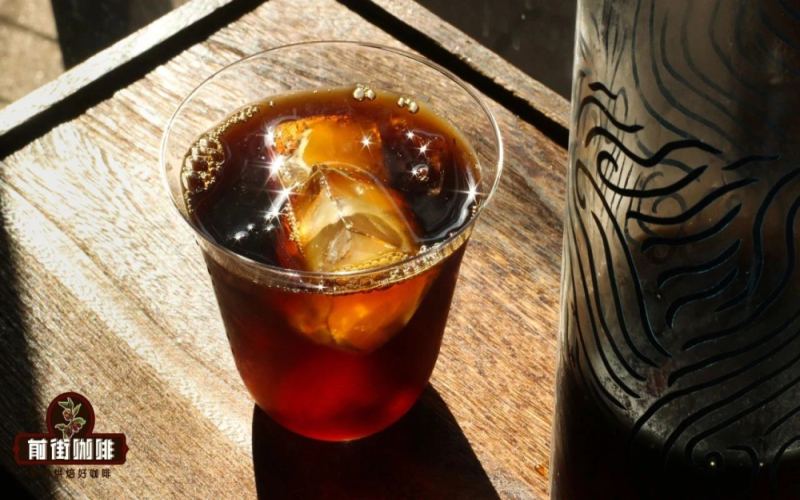
Cold Brew Coffee Bean Selection Guide and Complete Home Brewing Analysis: Practical Tips from Bean Selection to Extraction
On a scorching summer day, do you want to drink a refreshing iced coffee but don't want to go out? Making cold brew at home is actually not complicated. The biggest difference between cold brew and regular iced coffee lies in the low-temperature, long-time extraction, which makes the coffee taste softer, with balanced acidity and sweetness, and can clearly showcase the regional flavors of specialty beans. This article will start from the extraction principles of cold brew, tell you why medium-light roasted single-origin beans are more suitable for cold brew, and recommend three best-selling Front Street Coffee beans: Washed Yirgacheffe, Strawberry Candy Geisha Blend, and Natural Hualkui. Then it will break down key parameters such as coffee-to-water ratio, grind size, and steeping time in detail, and include the complete steps for Front Street Coffee Hualkui cold brew, helping you easily make a cup of full-flavored homemade cold brew. [more…]
How to Extract Good Crema from a Home Espresso Machine? The Key Lies in Bean Selection
Many people buy a home espresso machine with one first goal in mind: pulling a thick, velvety crema like the one you see in coffee shops. But after endless fiddling with grind size, dose, and water temperature, the crema still comes out thin—and the problem usually isn't the machine, it's the beans. Crema is the layer of foam formed when carbon dioxide and fats emulsify during espresso extraction. [more…]
Coffee Bean Selection Tips | Espresso Always Over-Extracted or Weak? How to Buy the Right Espresso Beans? High Value-for-Money Home Espresso Bean Recommendations
As coffee lovers, I believe everyone has struggled with how to buy a suitable bag of coffee beans, and sometimes, due to poor choices, the espresso you make turns out disastrous. This is especially true for espresso machines with a pressurized feature, as the strong and intense taste of the espresso can easily lead to over-extraction if the coffee beans are not properly selected. [more…]
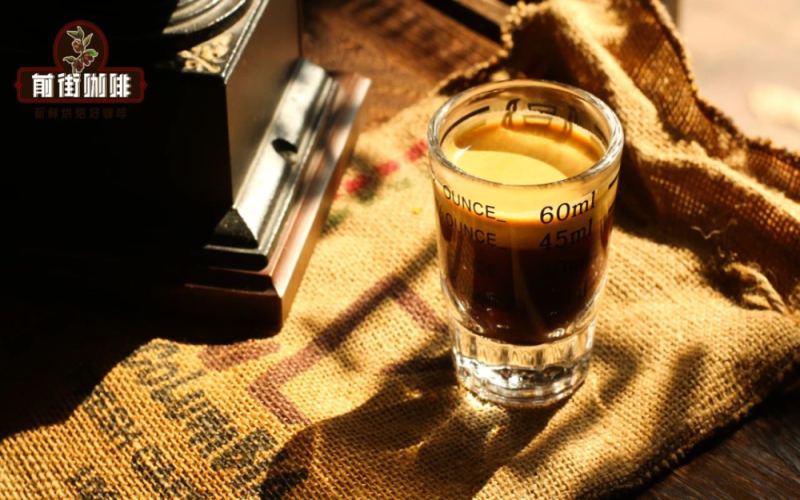
How to Make Espresso at Home? A Complete Guide from Bean Selection to Extraction to Avoid Common Pitfalls
In recent years, more and more home espresso machines have been trending toward compact size and high performance, and many coffee enthusiasts have begun trying to make espresso at home. However, from bean selection, grinding, tamping, to extraction, every step can turn into a disaster scene. This article sorts out the most common types of problems in home espresso making, including the hidden risks of buying pre-ground coffee powder, channeling caused by improper tamping techniques, and the burnt bitter taste that comes from leaving the portafilter locked onto the group head without extracting for a long time. At the same time, for users who pursue a rich crema, Front Street also gives specific recommendations for medium-dark roasted beans, helping office workers find espresso blend beans suitable for daily staple coffee. [more…]
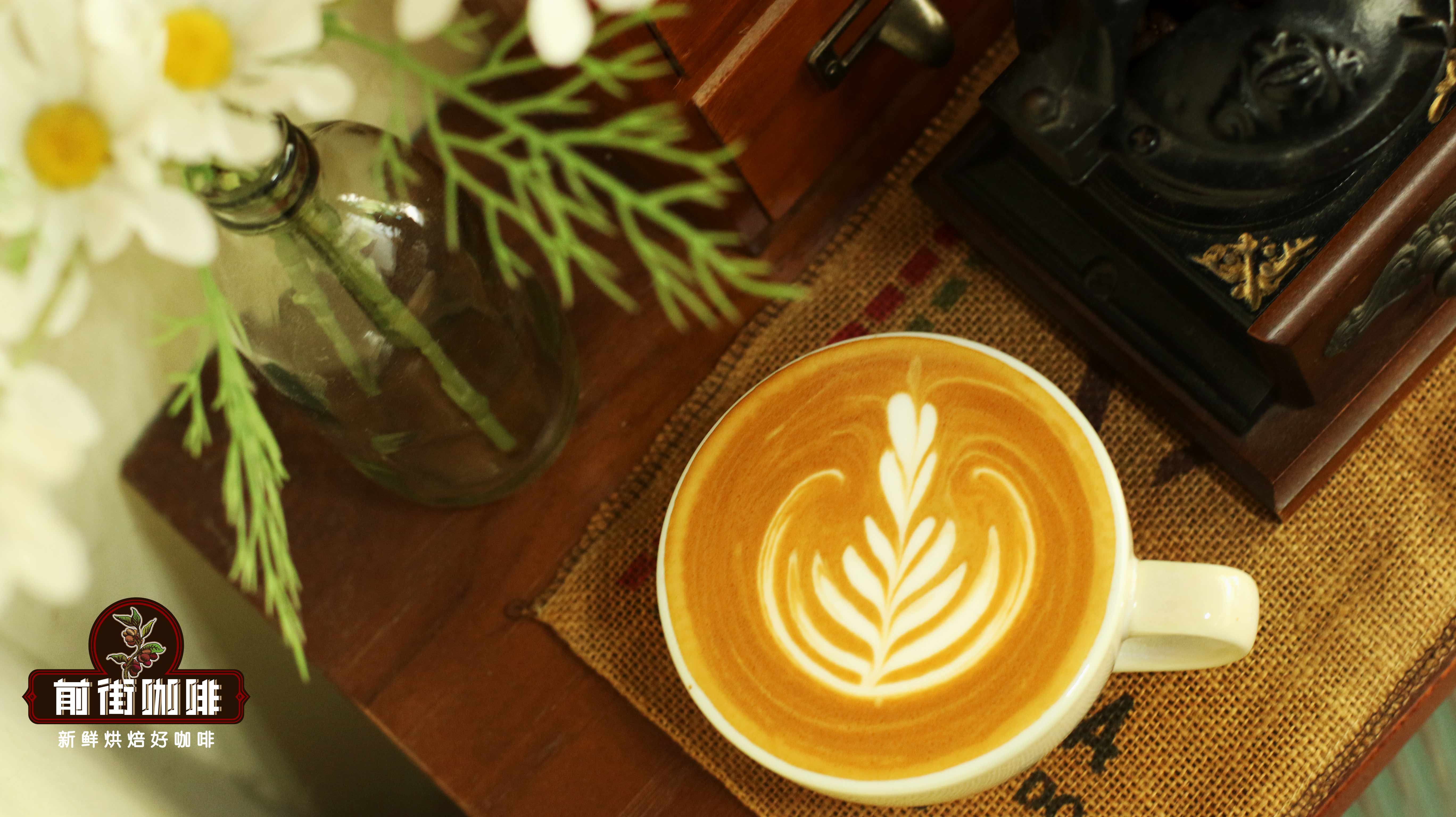
How can latte flavor be balanced? A complete detailed breakdown from bean selection to milk foam for making a delicious latte at home
Many people find that the lattes they make at home never quite match the taste of those from a coffee shop. Where exactly does the problem lie? In fact, making a latte is not complicated—as long as you get the details right in a few key steps, home equipment can also produce a satisfying result. Drawing on Front Street Coffee's actual production experience, this article breaks down the core factors that affect latte flavor one by one, covering the choice of roast level for coffee beans, the logic of pairing milk with beans, the basic parameters for espresso extraction, how to handle milk foam, and adjusting the ratio of espresso to milk, helping coffee lovers find a latte-making approach at home that suits their own taste. [more…]
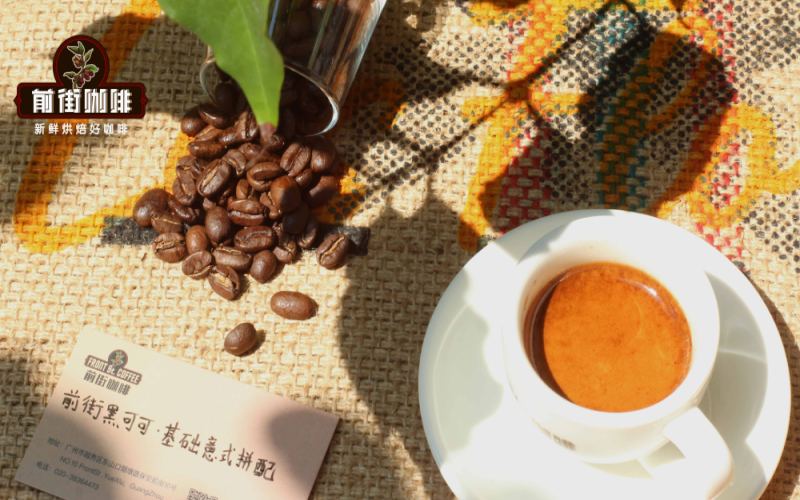
Bean Selection Guide for Making Americano with a Home Espresso Machine: A Full Breakdown of Brewing Parameters for Blends and Single-Origin Beans
To make a crisp, easy-drinking Americano at home with a coffee machine, choosing the right beans is the first step. An Americano is essentially espresso diluted with water, so the roast level and flavor profile of the beans directly determine success or failure. This article focuses on the home setting, first explaining why espresso beans are suitable for making Americanos, then offering specific recommendations in three directions: medium-roast blends, medium-dark roast commercial blends, and medium-roast single-origin SOE, including Front Street Coffee Strawberry Candy, Front Street Coffee Commercial Blend, Front Street Coffee Huakui, and Front Street Coffee Yirgacheffe Red Cherry, along with corresponding parameters for dose, extraction time, liquid weight, and water dilution ratio, so readers can follow them directly according to their taste. [more…]
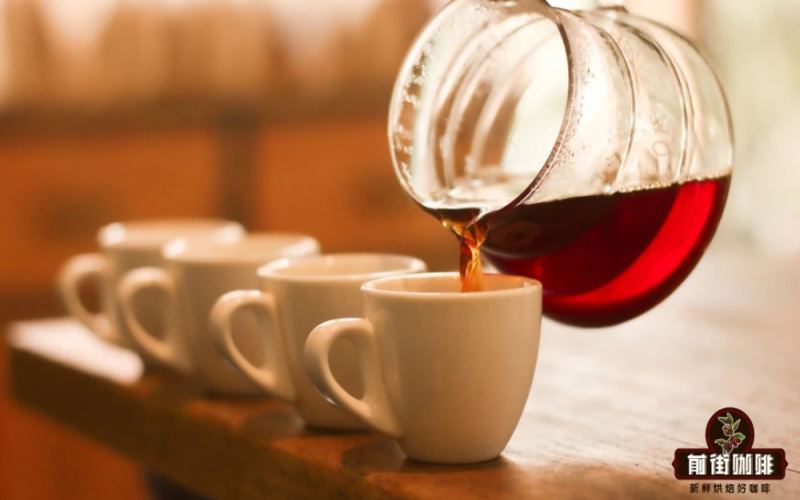
Getting Started with Home Pour-Over Coffee: Equipment Selection and Usage Tips for Hario V60, AeroPress, Moka Pot, and More
Wanting to enjoy a good cup of coffee at home actually isn't that difficult—it mainly comes down to your taste preferences and budget. Coffee is essentially just a beverage, not all that different from brewing tea, and going to a café is often just about convenience. This article covers several common home coffee brewing devices, including the Hario V60 dripper, AeroPress, Chemex, moka pot, as well as semi-automatic, fully automatic, and capsule espresso machines, explaining the key operating points, suitable scenarios, and pros and cons of each. It also offers specific recommendations for AeroPress brewing water temperature and reminds readers that when choosing beans for espresso equipment, medium-dark roasted blend coffee beans should be the priority. Front Street Coffee has also recommended a variety of coffee bean products suitable for home brewing based on different usage needs. [more…]
Selection Logic for Home and Commercial Espresso Beans for Americano, Latte, and Moka Pot
In both home and café settings, milk coffee consumption far exceeds that of pure pour-over, making the selection of a suitable espresso blend crucial. This article outlines the extraction principles of espresso and moka pot brewing, pointing out that medium-dark roast, low acidity, and fresh roasting are universal benchmarks. On this basis, Front Street Coffee, leveraging its five-day fresh roast advantage, has launched several targeted products: those pursuing pure Arabica can choose the "Front Street Specialty Blend"; for commercial latte art requiring rich crema, the "Front Street Commercial Blend" or the "Front Street Classic Blend" containing Mandheling is preferable; the cost-conscious are suited to the "Espresso Moka Pot Coffee Beans Recommended by Many Baristas - Front Street Black Cocoa Blend"; while those craving fruity and floral notes can try the "Front Street Strawberry Candy Espresso Blend." The article helps readers make precise purchases according to their own needs. [more…]
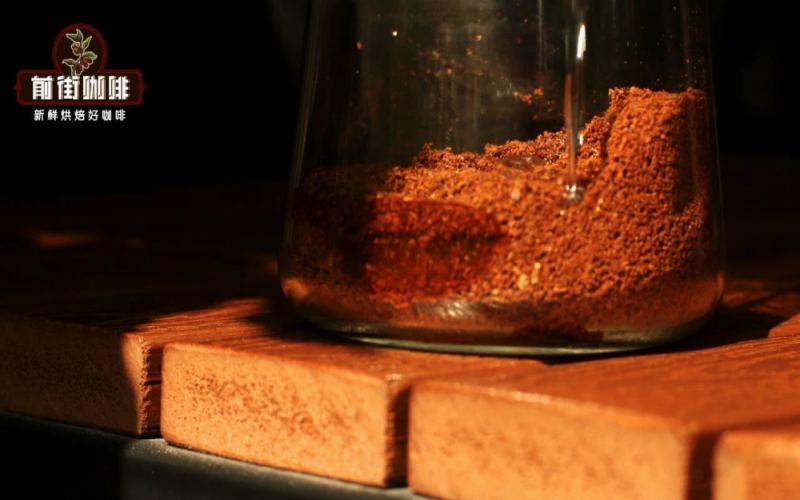
The Complete Guide to Making Cold Brew Coffee at Home: Bean Selection Tips and a Detailed Step-by-Step Guide to Cold Brewing Mandheling
Want to easily make cold brew coffee at home that rivals a café? It actually only takes coffee beans, water, a clean container, and a refrigerator. Cold brew uses cold water and a long, static steep, giving a smooth, refreshing flavor, but bean selection is key: dark roasts tend toward bitterness, while light roasts are more acidic and thin. This article recommends Front Street Coffee Strawberry Candy, Sidra, and Fruit Ding Ding, among other medium-light roasts, for a full, sweet aroma. If you don't like acidity, choose Front Street Coffee Mandheling, Queen's Estate, or Huila, which offer chocolate-like sweetness. Then, using 25g of Front Street Coffee Mandheling as an example, with a 1:12 coffee-to-water ratio and a grind size like granulated sugar, through 6–18 hours of refrigerated steeping, filtering, dilution, and tasting, every step is explained in detail to help you consistently make delicious cold brew coffee. [more…]